Why We Compose Original Music for Our Films

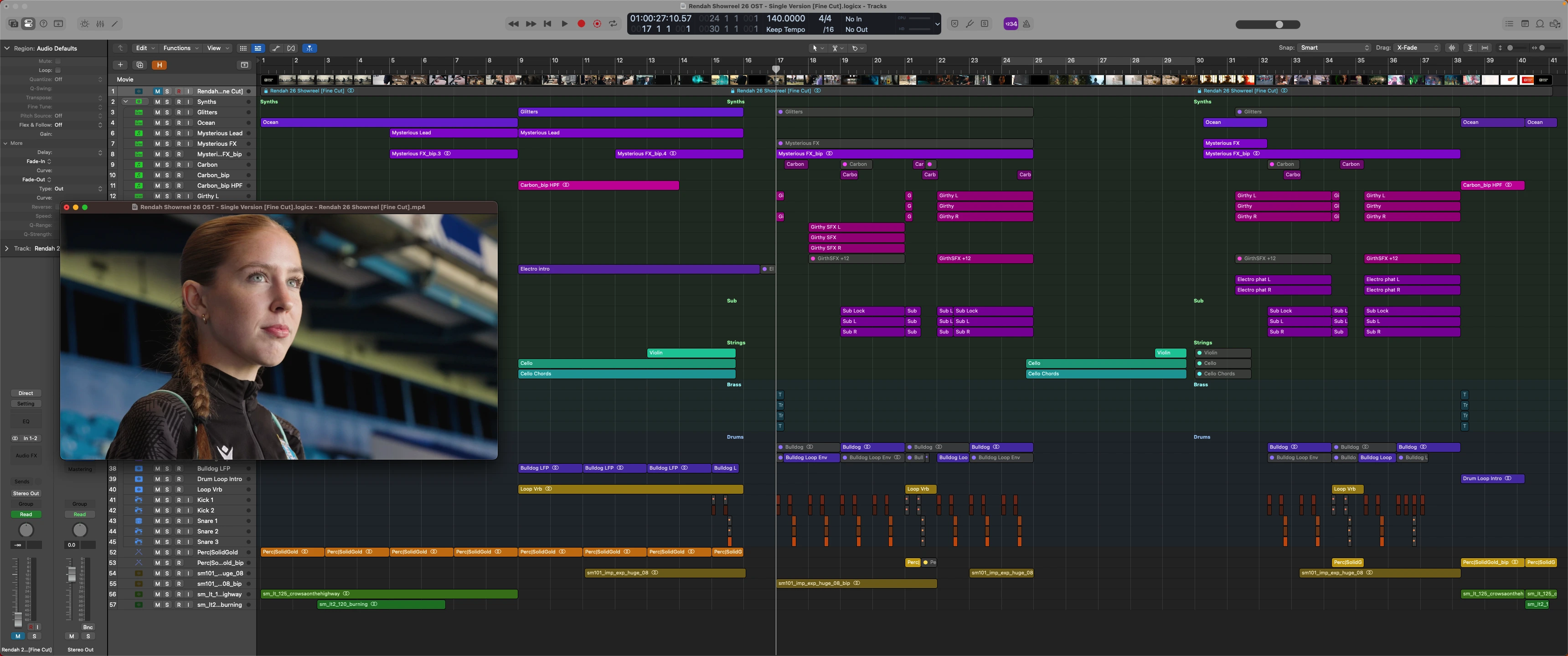
Screenshot of Logic Pro project session showing original music composition for a Rendah Films video production.

You might not know this, but videographers spend hours searching for the right stock music... and even then, you've probably heard it before.

Rendah produces original music for film, including bespoke soundtrack for documentary projects, because music sets the tone before the first image even fades in.

Made for the Edit

When the hero shot of the whole project plays in the climax of the edit - how does sound let you know it's the hero shot? Is it on the 'drop' of the beat? Or is it in the moment between?

Any good editor can make that decision - but having an in house composer means those decisions can flex and adapt to what that moment is trying to say.

Music composition in Logic Pro alongside editing in Final Cut Pro is the perfect combination to really brining an edit to life. Honing in on specific moments that need depth or punch, automating effects build tension and even muting a bar here or there to let sound design break through.

This is total control and it makes a huge difference.

Being able to work with sound and visuals in parallel means the pre-production process can feed the vision without diluting to an external partner, saving time, budget and revisions.

Sound is Strategic

Beyond the obvious benefits, there are ways sound can work beyond the edit:

  • The project comes with an inbuilt unique sonic identity
  • No surprises down the road when licensing restrictions are pulled or audited
  • The composition can be adapted into versions for social, events, cutdowns or even the main melody to accompany an animated logo on future projects - a reusable asset
  • The music acts as a cohesive brand tone across multiple campaigns

Music becomes part of brand memory and even if audiences don’t consciously notice it, they do feel it.

Why We Do It

We love film and we know that the most memorable part of a good film is the soundtrack.

Composing in-house allows us to keeps everything integrated: story, visuals, pacing, tone.

When music, narrative and visuals align properly, the result feels intentional rather than assembled.
Our Take

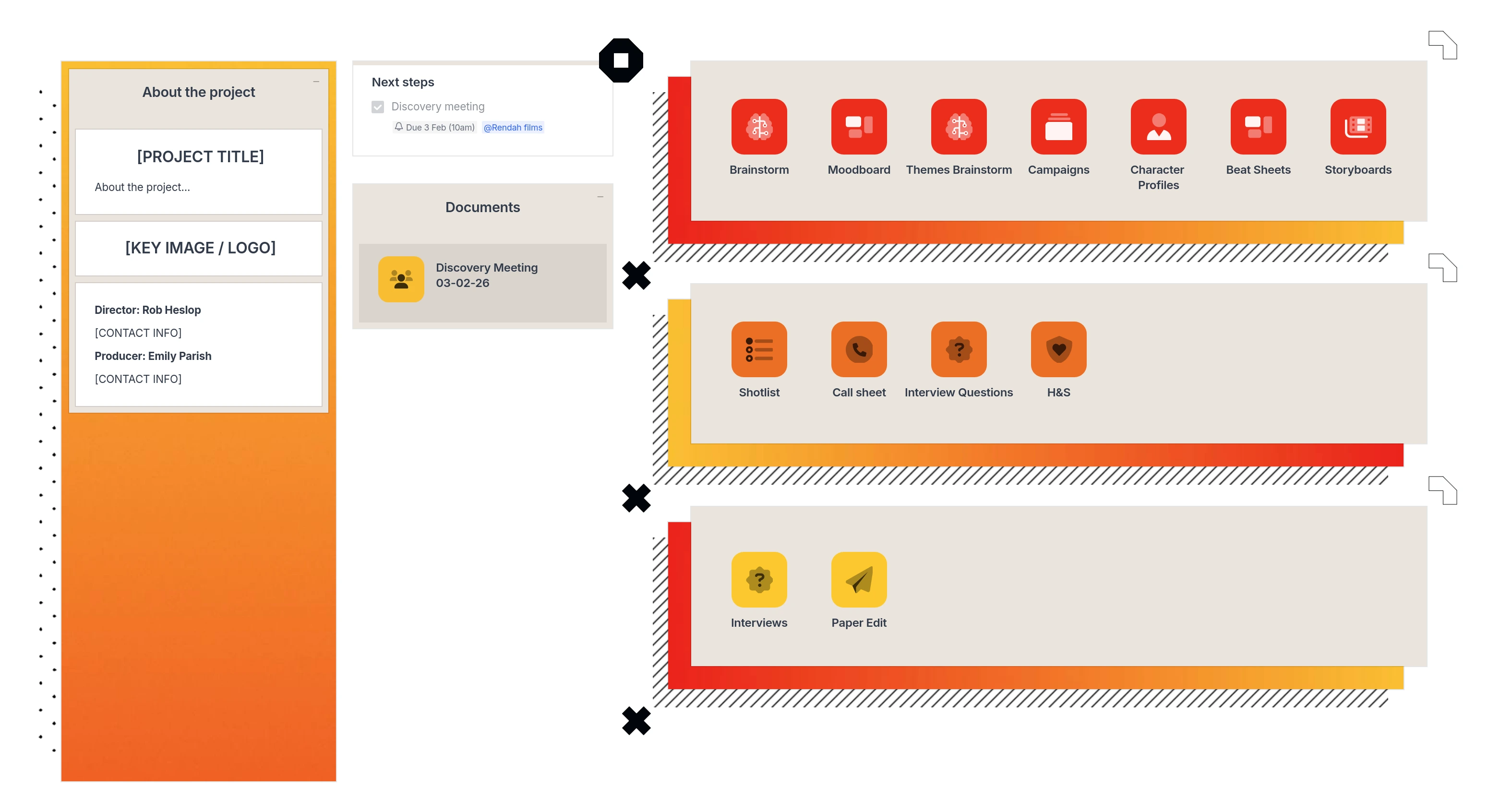
Screenshot of Milanote board used by Rendah Films for full video pre-production planning and client collaboration.

Pre-Production is the Most Important Part of Any Film We Make

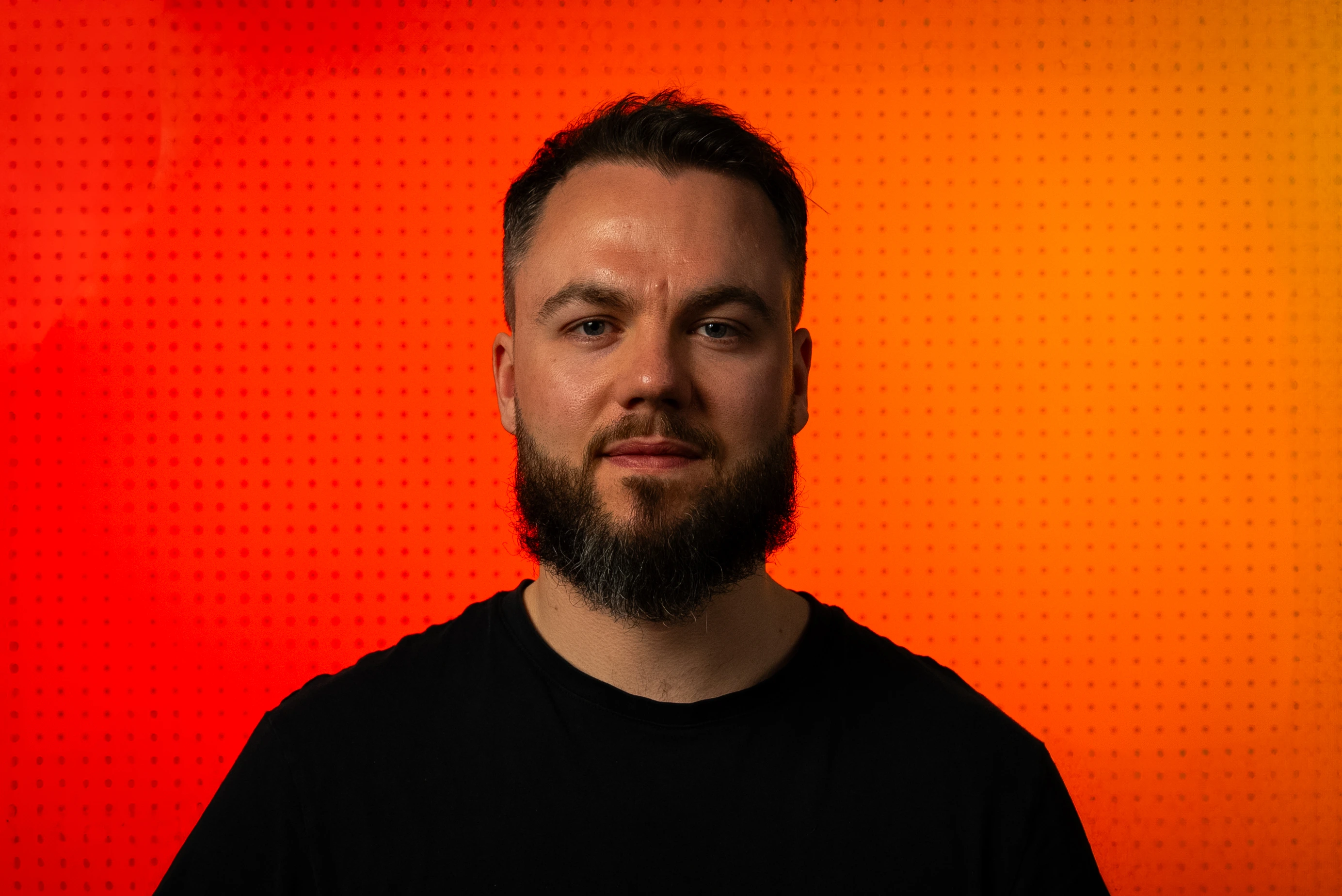
Headshot of Rob Heslop, Creative Director and Managing Director of Rendah Films, Leicester based self-shooting director.
Rob Heslop
March 11, 2026
2 minutes

Pre-Production is the Most Important Part of Any Film We Make

Video Starts with the Pre-Production Process. For us, that means collaboration. First of all it's important to breakdown what mistakes in pre-production can lead to: Objectives are vague and the purpose of the video gets confused, Stakeholders quietly disagree behind the scenes, Left turns in messaging during post-production (when the footage is already locked in and shoot days are used up), Reactive feedback that undermines the strategy behind the work.

Screenshot of Logic Pro project session showing original music composition for a Rendah Films video production.

Why We Compose Original Music for Our Films

Headshot of Rob Heslop, Creative Director and Managing Director of Rendah Films, Leicester based self-shooting director.
Rob Heslop
March 11, 2026
2 minutes

Why We Compose Original Music for Our Films

You might not know this, but videographers spend hours searching for the right stock music... and even then, you've probably heard it before. Rendah produces original music for film, including bespoke soundtrack for documentary projects, because music sets the tone before the first image even fades in.

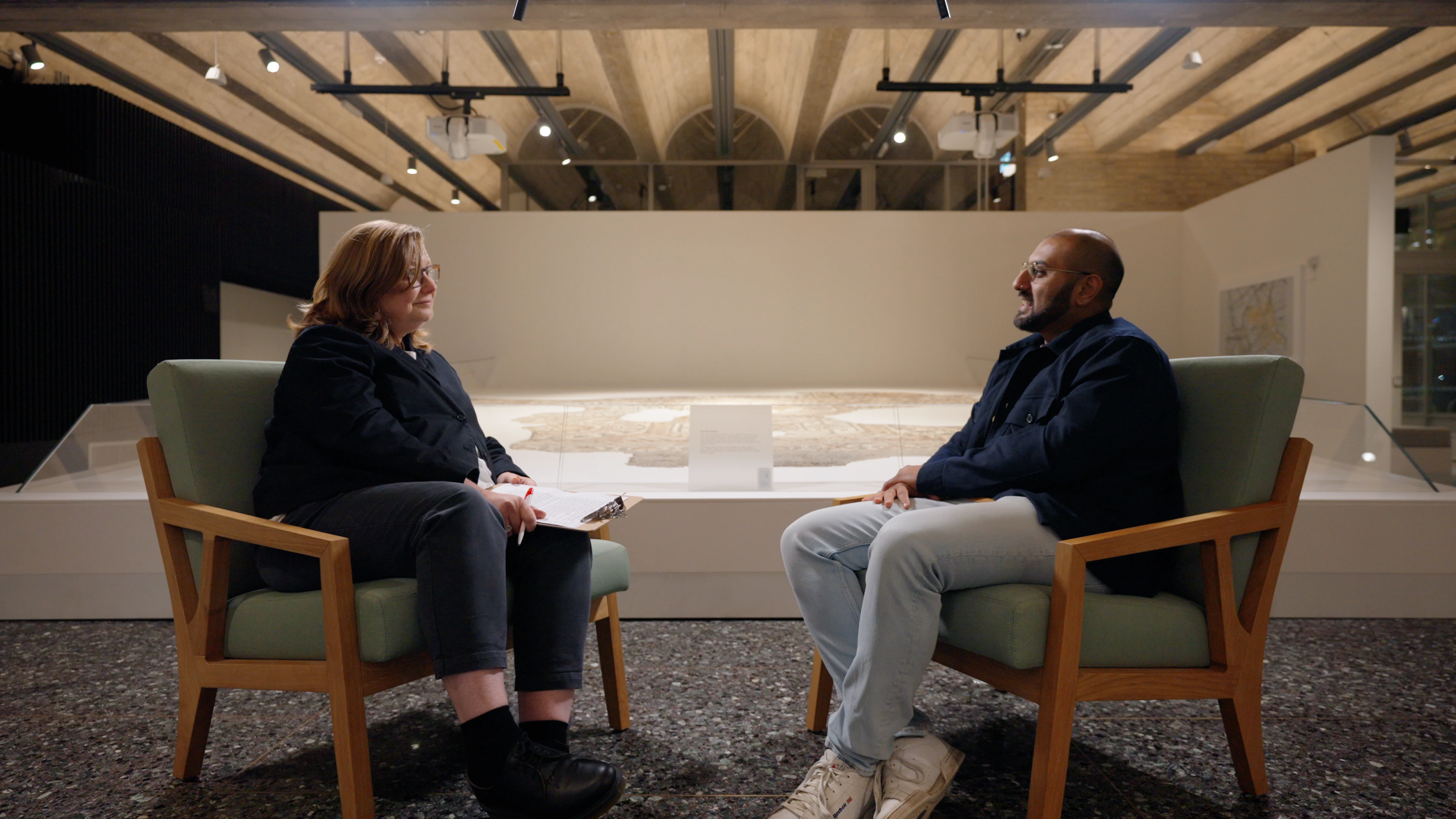
Wide framing of interview set at Jewry Wall Leicester filmed by Rendah Films production on Sony FX3 with motorised slider

On Set with Five Cinema Cameras

Headshot of Rob Heslop, Creative Director and Managing Director of Rendah Films, Leicester based self-shooting director.
Rob Heslop
March 4, 2026
3 minutes

On Set with Five Cinema Cameras

When we plan a multi camera interview setup, usually 2 will do an "A" angle (usually medium torso shot)‍ and "B" angle (either tighter framing or sometimes a wider frame if we want to show off the location). Most interview framing composition goes this way and this is the standard for professional video production, whether that is a cinematic documentary interview or a corporate talking head piece. For both we use our Sony FX6 cameras.‍ So what could possibly justify using 5?

Let's talk strategy

Start the conversation