Pre-Production is the Most Important Part of Any Film We Make

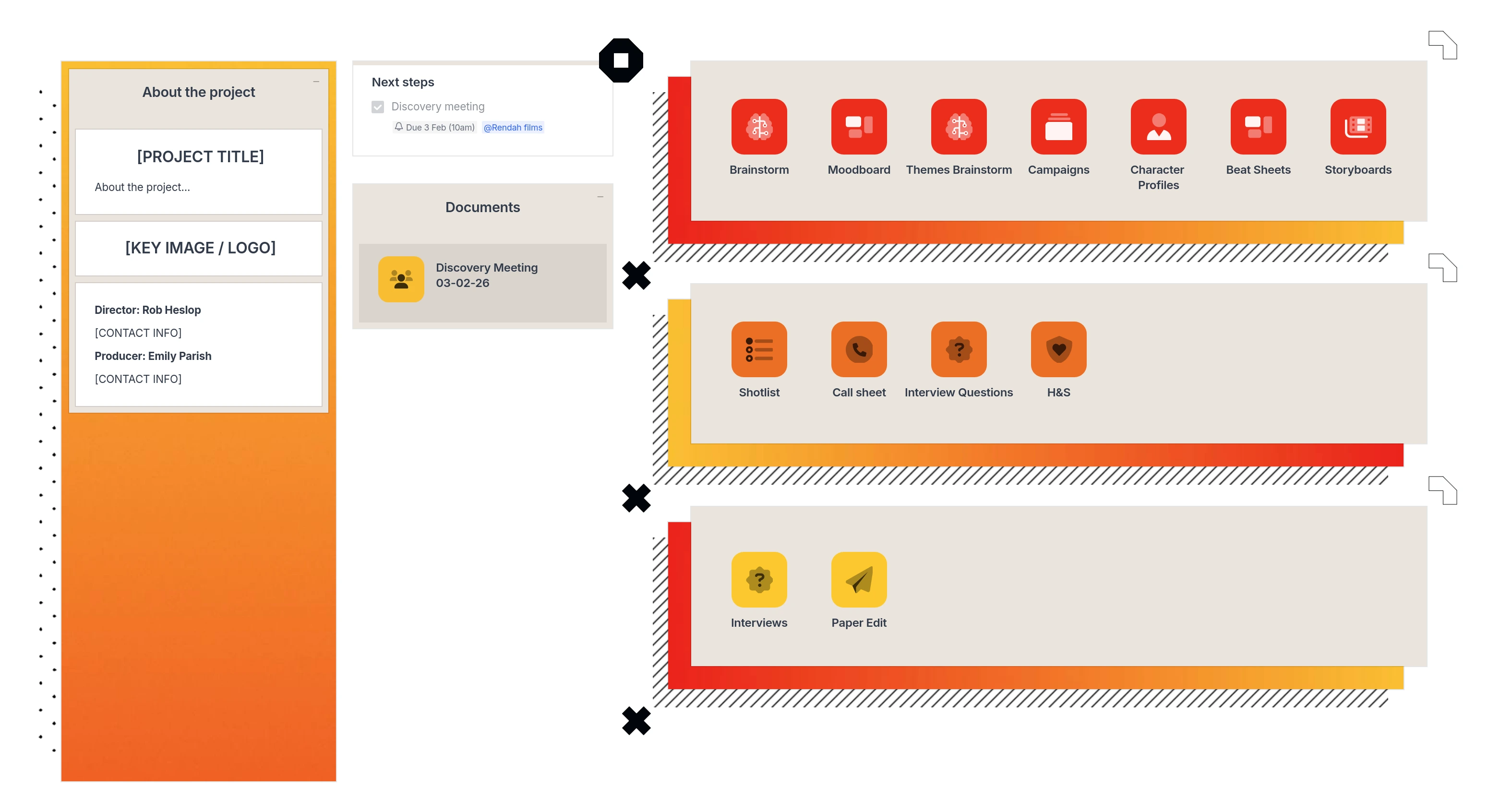
Screenshot of Milanote board used by Rendah Films for full video pre-production planning and client collaboration.

Video Starts with the Pre-Production Process.

For us, that means collaboration.

First of all it's important to breakdown what mistakes in pre-production can lead to:

  • Objectives are vague and the purpose of the video gets confused
  • Stakeholders quietly disagree behind the scenes
  • Left turns in messaging during post-production (when the footage is already locked in and shoot days are used up)
  • Reactive feedback that undermines the strategy behind the work

Loose Documents in the Wind

Whilst a vision can be solid, if it's spread across a drive of documents or attachments in various email threads it's hard to consolidate what the actual plan is.

That's why we use a hub to keep all of the relevant materials.

Moodboards are great and all, but do they help everyone get on the same page? We use live online tools like Milanote to create collaborative pre-production boards that map out;

  • Objectives
  • Audience
  • Narrative structure
  • Visual references
  • Thematic anchors
  • Deliverables

This way, the architecture of a project is visible to all relevant stakeholders and shareable with permissions access to contributors. It's a space where our teams can explore, communicate and define the ideas collaboratively and make creative decisions strategically.

The Greenlight Moment

Once the pre-production project is ready, Rendah will present it as a living proposal and workshop through any final logistics decision, like assigning tasks and pinning down dates.

The project on Milanote then become the hub we reference as production is green-lit.

We see this part of the process as crucial to align our thinking and support the production phase into becoming an execution exercise rather than explorative guess work.

That protects: budget, timelines, internal politics and expectations.

Why This Matters to Us

Our documentary foundation works like a creative studio and pre-production is where we produce a structured framework for that creativity.

When we're on set and about to hit record we (and by we I mean the Rendah team, the client and the person in front of the camera) is confident in what we are about to do - we’re executing a plan everyone understands.

This makes the final film an investment that we all believe in.
Our Take

Screenshot of Milanote board used by Rendah Films for full video pre-production planning and client collaboration.

Pre-Production is the Most Important Part of Any Film We Make

Headshot of Rob Heslop, Creative Director and Managing Director of Rendah Films, Leicester based self-shooting director.
Rob Heslop
March 11, 2026
2 minutes

Pre-Production is the Most Important Part of Any Film We Make

Video Starts with the Pre-Production Process. For us, that means collaboration. First of all it's important to breakdown what mistakes in pre-production can lead to: Objectives are vague and the purpose of the video gets confused, Stakeholders quietly disagree behind the scenes, Left turns in messaging during post-production (when the footage is already locked in and shoot days are used up), Reactive feedback that undermines the strategy behind the work.

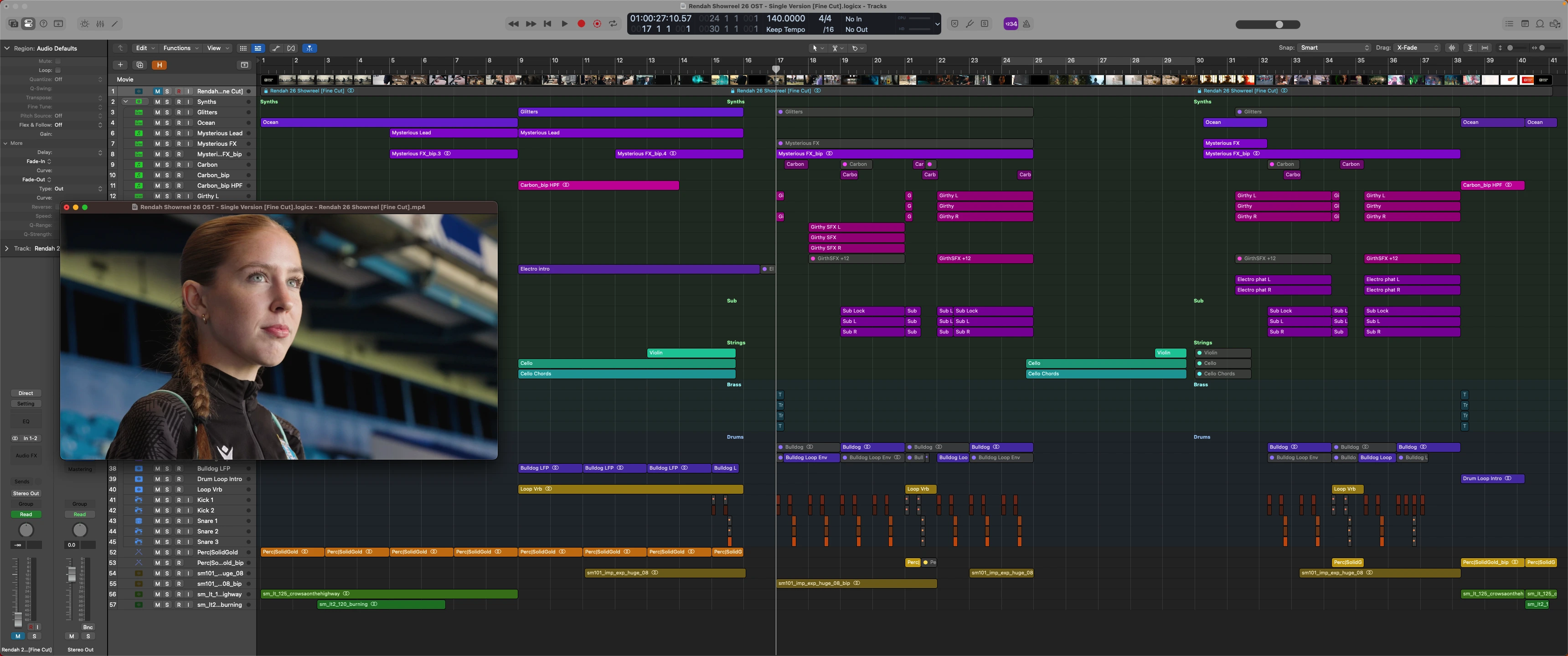
Screenshot of Logic Pro project session showing original music composition for a Rendah Films video production.

Why We Compose Original Music for Our Films

Headshot of Rob Heslop, Creative Director and Managing Director of Rendah Films, Leicester based self-shooting director.
Rob Heslop
March 11, 2026
2 minutes

Why We Compose Original Music for Our Films

You might not know this, but videographers spend hours searching for the right stock music... and even then, you've probably heard it before. Rendah produces original music for film, including bespoke soundtrack for documentary projects, because music sets the tone before the first image even fades in.

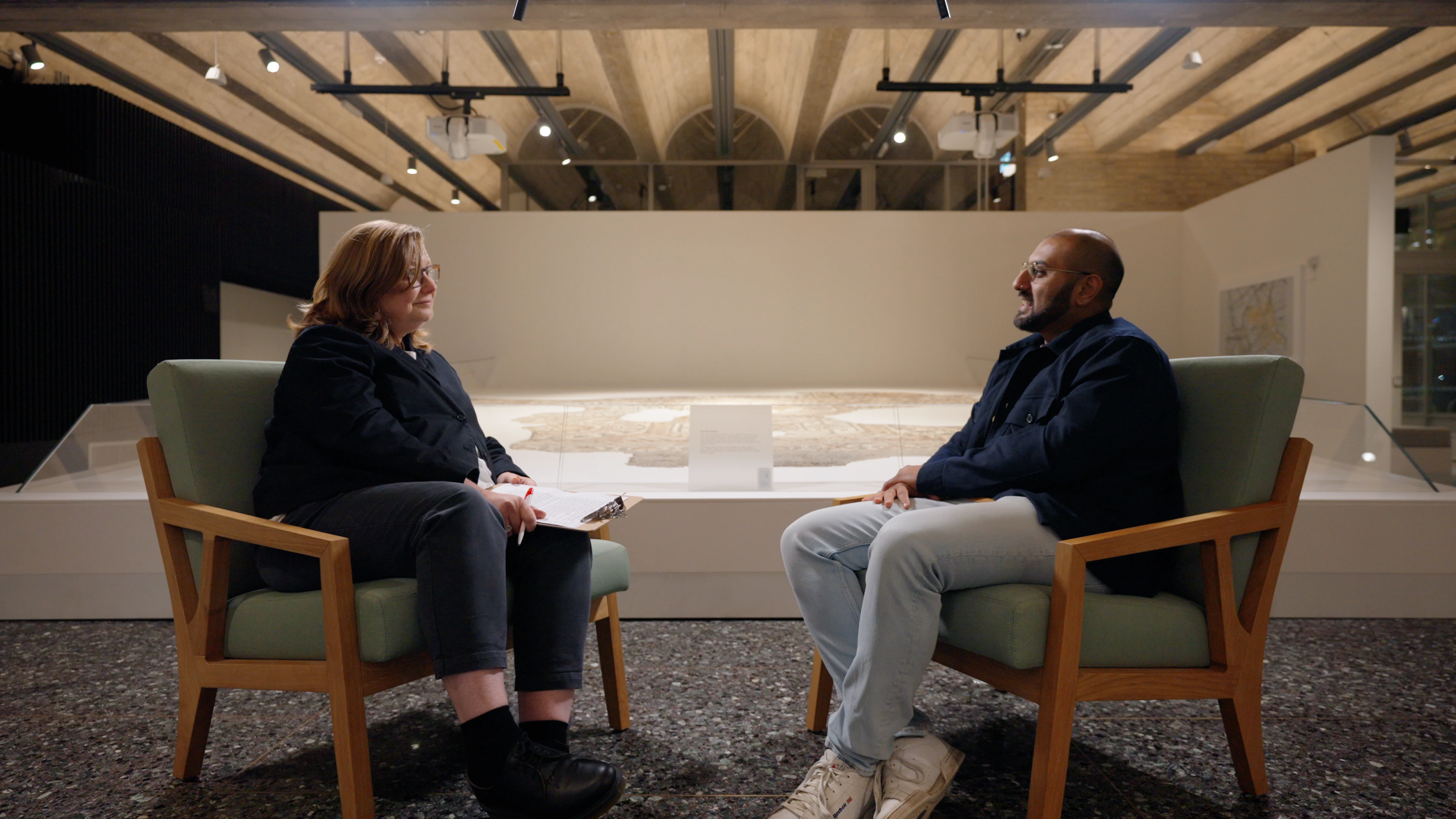
Wide framing of interview set at Jewry Wall Leicester filmed by Rendah Films production on Sony FX3 with motorised slider

On Set with Five Cinema Cameras

Headshot of Rob Heslop, Creative Director and Managing Director of Rendah Films, Leicester based self-shooting director.
Rob Heslop
March 4, 2026
3 minutes

On Set with Five Cinema Cameras

When we plan a multi camera interview setup, usually 2 will do an "A" angle (usually medium torso shot)‍ and "B" angle (either tighter framing or sometimes a wider frame if we want to show off the location). Most interview framing composition goes this way and this is the standard for professional video production, whether that is a cinematic documentary interview or a corporate talking head piece. For both we use our Sony FX6 cameras.‍ So what could possibly justify using 5?

Let's talk strategy

Start the conversation